

The chairman of Australia’s Star Entertainment Group told colleagues he wanted to “abolish” the state’s gaming regulator in a bid to “level the playing field” with NSW pubs and clubs, an inquiry into The Star Sydney’s suitability was told Tuesday.
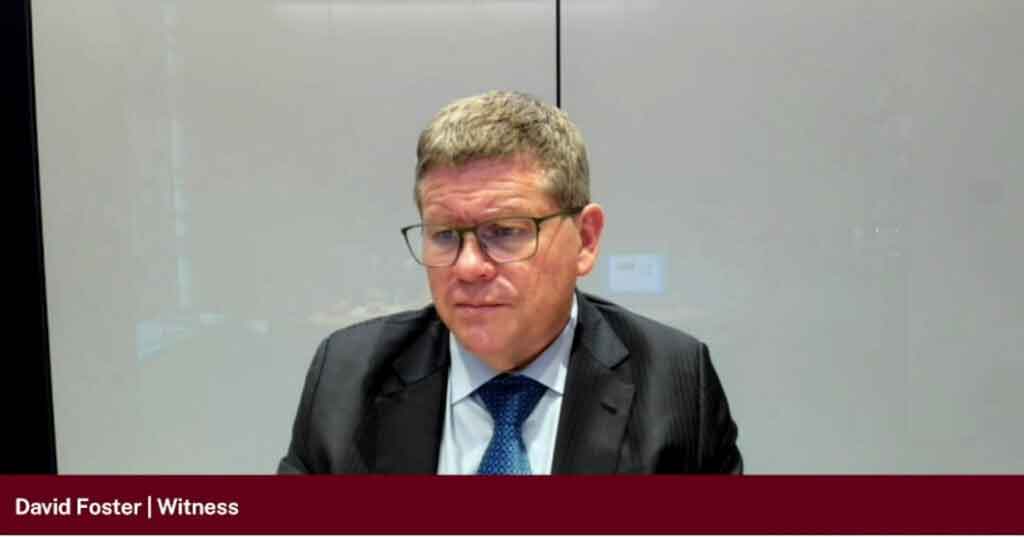
David Foster, who was appointed chairman of the group in March 2023 following the departure of John O’Neill, made the comments in text messages sent to Star’s former CEO Robbie Cooke and read aloud by counsel assisting Casper Conde.
However, Foster rejected claims he was out to get the NSW Independent Casino Commission (NICC), insisting instead that his comments were based around a desire to establish a regulator that oversaw casinos as well as pubs and clubs.
Asked directly if he wanted to abolish the NICC as cited in text messages, Foster replied, “In that particular context, and I’ve had this conversation with [NICC Chief Commissioner] Philip Crawford directly, it was about an uneven playing field that existed and still does exist in NSW relative to the casinos and clubs. In subsequent conversations with Mr Crawford I suggested a good outcome would be for the Commission, under a different name possibly, to oversee the club operations as well as the casinos to ensure an even playing field.”
Foster agreed with an assertion by Conde that he did not back down on the issue despite receiving a lukewarm reception from Cooke, but when pressed on whether his actions represented collaboration with the NICC, added, “The understanding is that we needed one regulator covering the clubs and the casinos – that was the objective.
“The discussion I had with Mr Crawford was we would ideally like to see the scope broadened beyond just casinos to cater for the casinos and the major clubs, which for all intents and purposes are operated as casinos. There weren’t concerns around the NICC, it was a desire to broaden the scope of regulation of the industry.”
Foster added that his words in those messages were “poorly chosen and did not properly reflect the point I was trying to make,” but insisted those words did not match with his subsequent actions.
He pointed to, “All the activities and the time and effort spent to have good and constructive dialogues with important regulators and the manager, and all the work and prioritization within the company to work on our remediation efforts and other initiatives more broadly.
“These unfortunately are a snippet of some heat of the moment comments made which I regret, but certainly do not in any way reflect on my actual activities and focus, or the relationship I have with [Manager Nicholas] Weekes and the regulators.
“[The relationship] has been very focused constructive and with only one outcome in mind which is working with the company to achieve its remediation outcomes.”
Foster’s testimony comes after it was revealed during evidence tendered last week that he and Cooke had planned to “go to war” with the NICC. Cooke stepped down as CEO and Managing Director last month amid rumors the NICC had lost faith in his ability to guide Star’s remediation efforts.
He was instead provided a consultancy agreement aimed at aiding the transition to new leadership, but Foster confirmed that consultancy was terminated last Thursday 18 April on the back of the inquiry’s revelations.
“I believe it was becoming complex with some of the comments made in the inquiry,” Foster said of the termination.
RelatedPosts